



Long hours in the saddle can make small differences in clothing surprisingly noticeable. Leg pressure, fabric tension, temperature, and freedom of movement all influence how comfortable a cyclist feels once the pace increases. For riders comparing racing bib shorts, compression deserves particular attention because more tension is not automatically better.
The useful level depends on body shape, riding intensity, muscle sensitivity, and personal preference. At Przewalski Cycling, we view compression as one part of garment design rather than a feature that should dominate every decision.

What Compression Actually Does
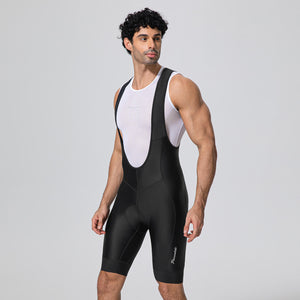
Compression refers to the controlled pressure created when close-fitting fabric wraps around the legs. Depending on the material and pattern, that pressure can help the garment remain stable while the muscles repeatedly contract and relax. A well-fitted pair should feel secure without producing distracting tightness around the thighs or restricting the natural movement of the knees.
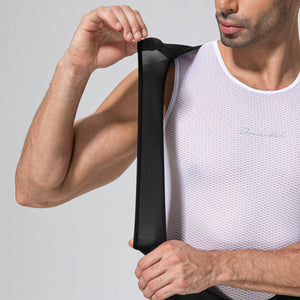
For cyclists, the sensation can change considerably between standing and pedaling. Men's pro bib short designs typically use fabrics with substantial stretch so the garment can follow the body through a broad range of motion. This distinction matters because static tightness tells only part of the story; dynamic comfort becomes more important once cadence, posture, and riding duration begin to vary.
Light Compression Versus Firm Support
Light compression tends to suit recreational cyclists and riders who prioritize an easy, unrestricted feel. The fabric stays close to the skin while allowing considerable movement, which can be useful during relaxed road sessions, commuting, or mixed-intensity rides. Excessive pressure is rarely necessary simply because a cyclist wants a streamlined appearance.
Firm compression creates a more noticeable wrapped sensation around the thighs and may appeal to cyclists who prefer substantial support during faster efforts. Racing bib shorts with stronger fabric tension can feel especially different during climbs or high-cadence sections, yet the fit still needs to accommodate individual leg proportions. Pressure that feels reasonable for one person may become irritating for another after several hours.
How Fit Changes The Compression Level
Fabric tension cannot be assessed independently from sizing. A smaller garment may feel highly compressive, but that does not mean its construction is appropriate. Excessive pulling can increase pressure around the leg openings, create unwanted folds, and alter how the seat pad sits against the body. Measuring the waist, hips, thighs, and inseam provides a more useful starting point than simply selecting a smaller size.
Body composition also influences the sensation. Cyclists with larger thighs may experience greater pressure from the same fabric than someone with a narrower build. Men's pro bib short construction should accommodate these differences through stretch characteristics and pattern design rather than relying solely on numerical sizing. Trying a garment in a riding position can reveal problems that remain hidden while standing.
Compression And Low-Light Riding Details
Compression is only one consideration in performance-oriented apparel. Visibility, seam placement, leg stability, and material behavior can also affect practical use, particularly during early starts or evening sessions. Reflective details, for example, can improve how movement is perceived by people approaching from behind without changing the fundamental fit of the garment.
One specific option from our range illustrates how such details can be integrated without overwhelming the design. The racing bib shorts feature a 10×70 mm reflective strip positioned on the left leg hem, creating a moving visual signal as the pedals turn. The close race fit keeps this element relatively stable, while the reflective surface adds useful visibility during dusk, nighttime, and early-morning rides. At Przewalski Cycling, we treat features such as this as supporting details rather than substitutes for sensible riding habits.
Finding Your Personal Balance
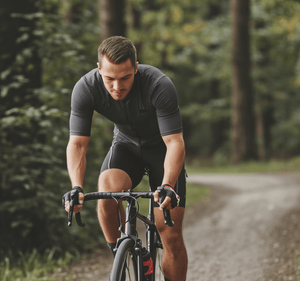
Riding style offers another clue when determining the appropriate compression level. A cyclist spending most sessions below threshold may appreciate moderate stretch and minimal pressure, whereas repeated intervals, racing, or demanding climbs can make a firmer feel more appealing. Clothing should accommodate the intended activity rather than forcing every cyclist toward the same sensation.
Temperature and ride duration matter as well. Warm-weather sessions can make tight garments feel more noticeable as heat and moisture build around the legs. During longer outings, small areas of pressure may become increasingly apparent. Racing bib shorts should consequently be evaluated after considering the complete riding environment, not just how supportive they feel during a brief fitting.
Conclusion
There is no universal compression setting that suits every cyclist. The right balance comes from matching fabric tension with anatomy, riding intensity, duration, and personal comfort, while checking whether the garment stays stable without creating unnecessary pressure. At Przewalski Cycling, we approach apparel development with that practical perspective, giving attention to construction details that riders can actually experience on the road. A sensible pair of men's pro bib short should support natural movement and remain unobtrusive enough that attention stays on the ride itself.

