


Long-distance cycling places unique demands on every piece of equipment, especially clothing that stays in constant contact with the body for hours. While many cyclists focus on padding and design, the material used in bib shorts plays an equally important role in overall comfort and performance.

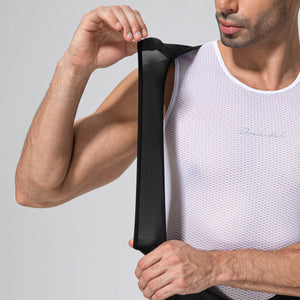
For endurance riders, fabric elasticity is one of the key differences between ordinary cycling apparel and gear designed for extended distances. A material with excellent stretch allows natural movement, reduces pressure points, and helps maintain comfort when the body is repeatedly moving through thousands of pedal strokes.
At Przewalski Cycling, we understand that long rides require apparel that adapts to the rider instead of creating distractions. Choosing the right fabric construction can make a significant difference when spending several hours on the saddle.
Why Elasticity Matters in Long Distance Cycling Bibs
During a short ride, minor discomfort from restrictive clothing may not seem important. However, during longer routes, small issues can become major problems. Repeated movement, muscle expansion, and changing riding positions require bib shorts that can move naturally with the body.
High elasticity allows the fabric to stretch as cyclists pedal, climb, and shift their position. This flexibility helps reduce resistance between the clothing and skin, creating a smoother riding experience.
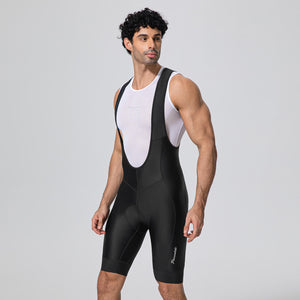
Long distance cycling bibs are designed for riders who need consistent comfort over extended periods. The material needs enough flexibility to support movement while still maintaining its original shape after hours of use.
Without proper elasticity, fabrics may feel tight around the thighs or lose their supportive structure during a ride. This can lead to constant adjustments and reduced focus on the road.
Comparing Common Cycling Fabric Materials
Different materials provide different performance benefits. Understanding these differences helps cyclists choose bib shorts that match their riding needs.
Traditional fabrics may offer basic durability, but they often lack the flexibility needed for endurance cycling. When riders spend several hours in the same position, limited stretch can create uncomfortable pressure around the legs and waist.
Modern cycling apparel often combines materials such as nylon and elastane to create a balance between strength and flexibility. Nylon provides durability and resistance to repeated use, while elastane improves stretch and recovery.
When selecting long distance bib shorts, cyclists should look for materials that can expand during movement but return to their original shape afterward. This balance helps maintain a secure fit throughout long rides.
Stretch Recovery Helps Maintain a Consistent Fit
Elasticity is not only about how far a fabric can stretch. Recovery is equally important. A high-quality material should return to its original shape after repeated stretching.
During endurance rides, cyclists constantly move their legs through the same motion thousands of times. Fabrics with poor recovery may become loose, reducing support and affecting overall comfort.
Our approach to cycling apparel focuses on creating products that provide stable support while allowing natural movement. The Przewalski Cycling long-distance collection is designed for riders who need dependable comfort during extended cycling sessions, with features focused on stability, breathability, and durability.
A fabric that maintains its shape also helps keep the padding correctly positioned. This is especially important because even small movements in the chamois area can create discomfort during longer rides.
Elastic Fabrics Improve Comfort During Long Rides
Comfort during endurance cycling depends on how well clothing works with the rider’s body. A flexible fabric reduces unnecessary tension and allows cyclists to maintain a natural pedaling motion.
For riders choosing long distance bib shorts, elasticity should be considered alongside padding quality and overall fit. A comfortable chamois is important, but it cannot perform effectively if the surrounding fabric restricts movement.
Highly elastic materials can also improve the feeling of compression. Moderate compression helps support muscles while avoiding the restrictive feeling that comes from overly tight clothing.
This balance is especially valuable for cyclists who participate in endurance events, long weekend rides, or multi-hour training sessions.
Moisture Management and Elasticity Work Together
Material performance is not determined by stretch alone. During long rides, cyclists also need fabrics that handle sweat and temperature changes effectively.
Flexible fabrics that combine elasticity with moisture management help maintain comfort when riding conditions change. Sweat can increase friction, so materials that move moisture away from the skin contribute to a more comfortable experience.
The best long distance cycling bibs combine several material advantages rather than relying on a single feature. Stretch, breathability, durability, and moisture control all work together to support riders during demanding sessions.
For cyclists planning longer routes, choosing apparel with the right fabric technology can reduce distractions and allow more energy to be focused on riding.
How to Choose the Right Material for Your Riding Style
Not every cyclist needs the same level of elasticity. A rider completing short recreational trips may have different requirements compared with someone regularly riding long distances.
If your typical rides last several hours, prioritize materials that provide excellent stretch, shape retention, and comfortable compression. These features help clothing stay supportive from the beginning of the ride until the final kilometers.
When evaluating long distance bib shorts, consider your riding frequency, distance goals, and personal comfort preferences. The best material should feel supportive without making you aware of the clothing itself.
We design our cycling gear around real riding conditions and the needs of cyclists who want reliable performance. Przewalski Cycling continues to develop apparel solutions that help riders stay comfortable during different types of cycling adventures.
Choosing Materials That Support Every Kilometer
The right fabric can transform the experience of long-distance cycling. High elasticity allows bib shorts to move naturally, maintain their fit, and provide lasting comfort during extended rides.
When comparing materials, cyclists should look beyond basic appearance and consider how the fabric performs after hours of movement. Flexibility, recovery, and support are essential factors for endurance-focused apparel.
For riders searching for long distance bib shorts, choosing a material designed for continuous movement can make every ride more enjoyable. With the right combination of stretch and performance features, cyclists can focus less on their clothing and more on the journey ahead.

